While a large group of the Gen Z population rejects participating in politics due to decision fatigue and information overwhelm, another side of the generation is chronically politically active through untraditional means that speak more to social presence and identity construction than to a critically formed political belief. The point of political action on social platforms for Gen Z is self-motivated, used to defragment identity instead of accumulating sound opinions on governing systems.
Within a digital realm where attention, and consequently value, is rooted in novelty and emotional overstimulation, the thought of compromise is degrading to the young techno ego, so users supply and consume radical viewpoints on their platforms as a form of identity assertion.
At the same time, rejecting any take that can be found or inferred from others' online posts has become a profitable hobby. Rejecting others' views is not based on critical analysis of those opinions or genuine concern and open discourse with opposing viewpoints, but on announcing your belonging to a group of thought- groups that stand on zero historical knowledge of the issues they claim to feel strongly about. The popularization of political discourse among Gen Z began rising heavily around 2015 after meme culture became a basic language, and has seen multiple eras of behavior since. The population of participants in political discourse on social media was large enough to coin a new term: Politigram. Political Instagram. There are endless niche groups in Politigram; the goal of each is to outdo the niche-ness of the previous group. What started with Alt-right and Alt-left groups has fragmented into impressively creative unions- paleoconservative federalists, proletarian internationalists, post-left anarchists, right neo-populists. These groups aim to assert an opinion as loudly as possible and oppose all other groups as strongly as possible. While the demographics of Politigram are made up of both ideologues and idiots, there is no need to have knowledge of the statements these groups claim, as the information itself is not the content; it is the opposition and assertion of something, anything. It creates a kind of beautifully expansive wormhole of misinformation guiding misinformed opinions used to rebut other misinformed opinions.
The irony of living online is known and fully acknowledged by many Gen Zers. This awareness creates mass cognitive dissonance and an unescapable loop of contradiction between internal values and external habits and lifestyle. This cyclic phenomenon bleeds into something I like to refer to as the "real life" trend. The 22-year-old is offended by the watered-down, copy-and-paste styles trending on social media, and wishes to rebel against it by wearing extremely understated generic clothing. Immediately after this enlightenment, every 22-year-old is seen in second-hand Levi's re-engineered jeans and wire earbuds to assert their authenticity and poignant distaste for cog systems. This itself becomes a subculture and desirable aesthetic many hope to achieve, forcing it into the online trend cycle and destroying any sense of individualization the person hoped for in the first place. Example 2: The 20-year-old guy from Fidi deletes Instagram along with all pre-existing posts for a month, and upon re-entry hard launches his mind-altering month-long trip to Kyrgyzstan, which was a $5,000 guided group horse tour run by a white guy who monopolized a small third-world town by buying all their horses. He rebrands himself, spewing words of wisdom to his followers to delete all socials and "live life". When authenticity becomes a techno subculture in itself, how is individuality formed and sustained in youth?
So, we have two main groups now- the radical members of Politigram whose belonging and participation are means to justify identity, where the focus of political participation is so chronically online and ambiguously niche that educating themselves on simple matters like the next election or paying taxes is irrelevant to their agenda, and those whose use of social media is less aggressively for politics, but whose brains have been de-individualized beyond the point of feeling individual connection to societal systems, resulting in the same lack of real-world participation in said systems.
The psychological effects of the internet are vast, intertwining human identity with algorithms through highly calculated exposure to news, lifestyles, and aesthetics. The first major impact begins when adolescents begin using anonymous and/or asynchronous methods of communication on social media. Dr. Patti Valkenburg writes on the subject, “Anonymity affects the controllability of self-presentation and disclosure. For a long time, it has been assumed that anonymity simulates deindividuation effects, defined as the loss of one’s sense of individuality and personal responsibility. Recent studies on computer-mediated communication still acknowledge that anonymous online communication has some deindividuating effects. For example, it can lead to a reduced tendency to worry about what others think about one’s self-presentation, and also to react on the spur of the moment, primarily on the basis of one’s present emotional state.” Valkenburg also touches on the fragmentation hypothesis, which states that the ease with which possible identities can be crafted online may fragment adolescents’ personalities. Asynchronicity plays a large role in impacting the psyche as well. For the first time in human history, the way we talk to each other is no longer linear or time-based. Teenagers learn that conversation can be rewritten, revised, and thought over for as long as they want before the next line is said. This impacts decision-making and cognitive processing in the brain. Social constructivism is a theory stating that human development is socially situated and that knowledge, reality, and meaning are actively co-constructed through interpersonal interaction, language, and culture rather than passively absorbed. Humans learn far more through social interaction than anything else they are exposed to. When social interaction is turned into chasing aesthetic and material ownership in exchange for perceived desirability, we learn to interact with people in a sort of hierarchical way rather than attempting to form emotion-based interactions. Human-to-human interaction is turned into a status evaluation, and the way we present ourselves is methodically calculated for the best expected outcome according to our online sources.
I decided to ask Dr. Elizabeth Tupa, a psychologist who happens to have birthed me, about the effects of social media on the adolescent brain. "I would say that social media likely has fragmenting effects on many teens’ formation of identity. So many different influences now, and so many different directions, and being pulled in ways they could feel judged or be judging. Plus, there is a new “trend” every couple of months or so, so how on earth do you keep up with it? A good example for girls is the latest bullshit about “being in your feminine” and “being soft.” Like, what the fuck does that even mean? Have you seen female animals in the wild? They are the most deadly. All for men, this crap about what gives women the ick– guys can’t even eat an ice cream cone anymore without feeling gay. One huge piece of building self-esteem and self-identity is mastery – getting good, or decently good at something. This requires effort and action, and so much of social media is passive that it just doesn’t exercise those same brain “muscles”. But I would also say that this is not one-size-fits-all for all adolescents. Especially if you may be queer or feeling transgender. And if you look around your local community and you have zero support, social media can actually provide some of that support. There is a saying about divided attention or not knowing what to prioritize: “not knowing which camera to look at for the prom pictures,” and I think that is very similar to what many teens who rely on social media for entertainment and self–image– self-development feedback experience

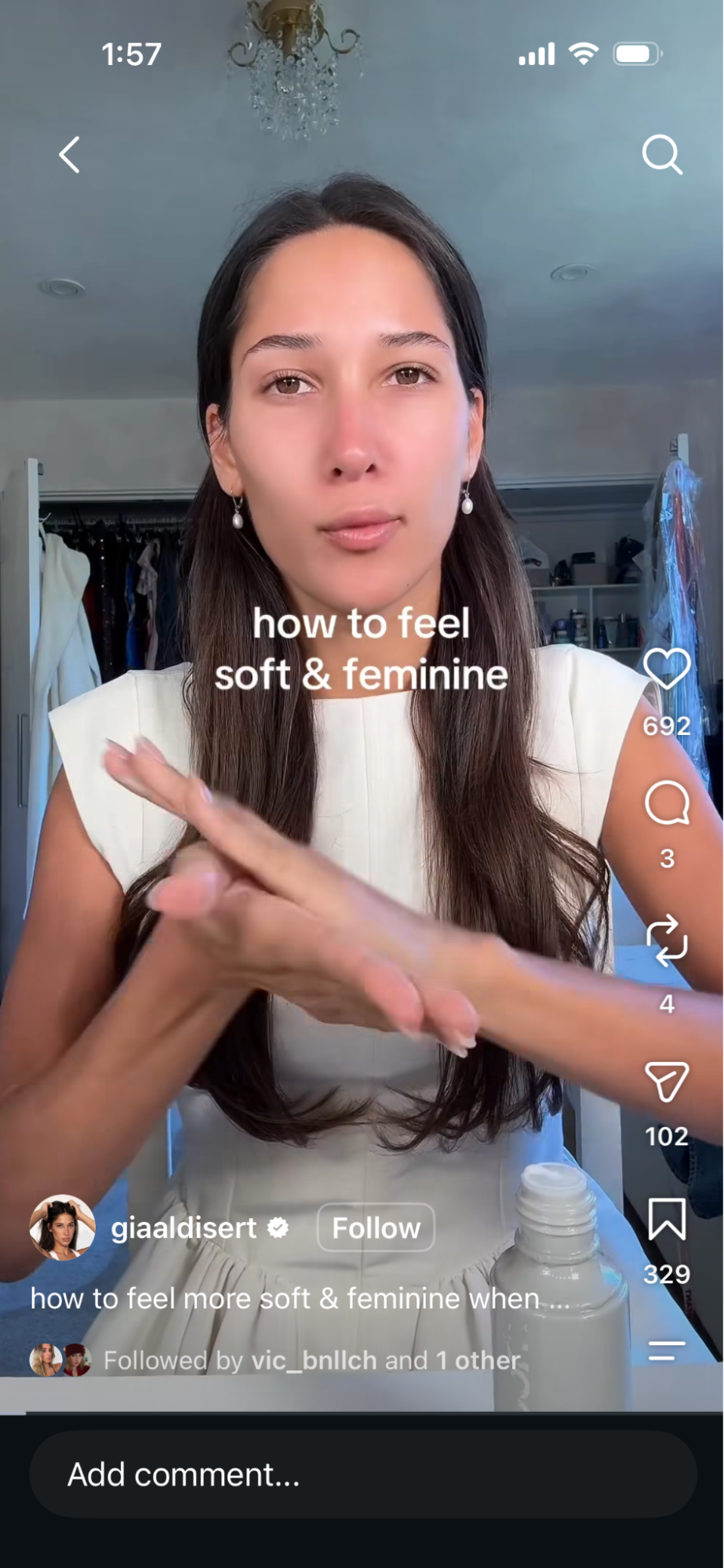
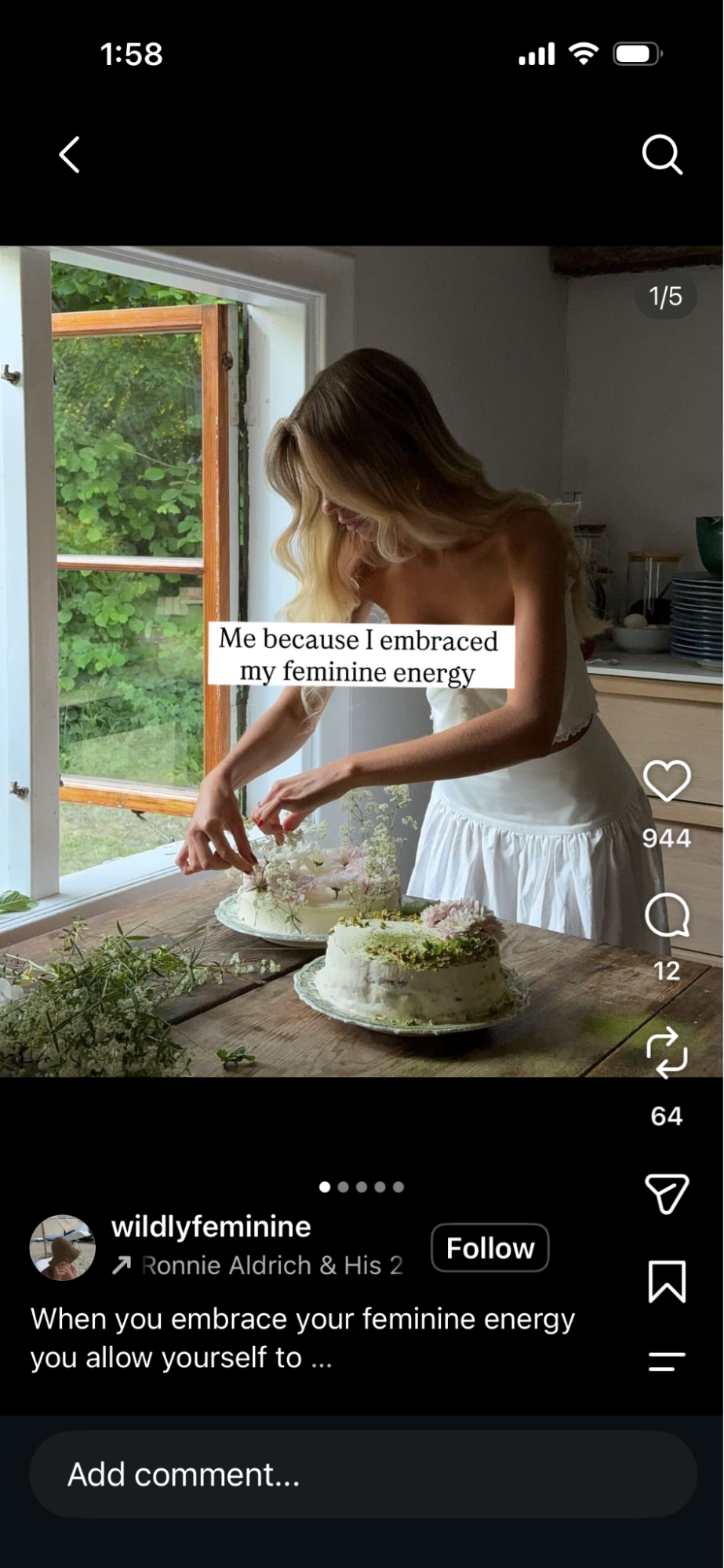
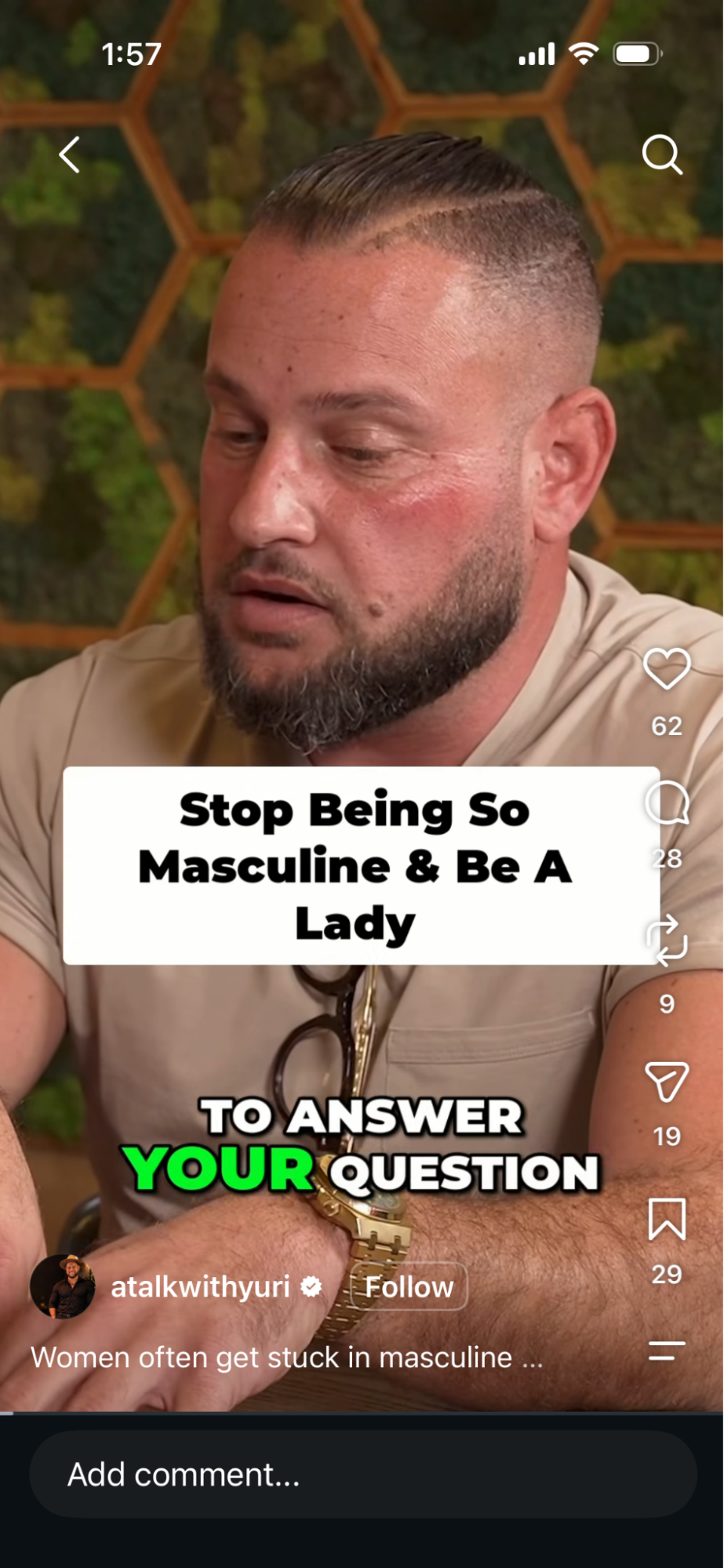
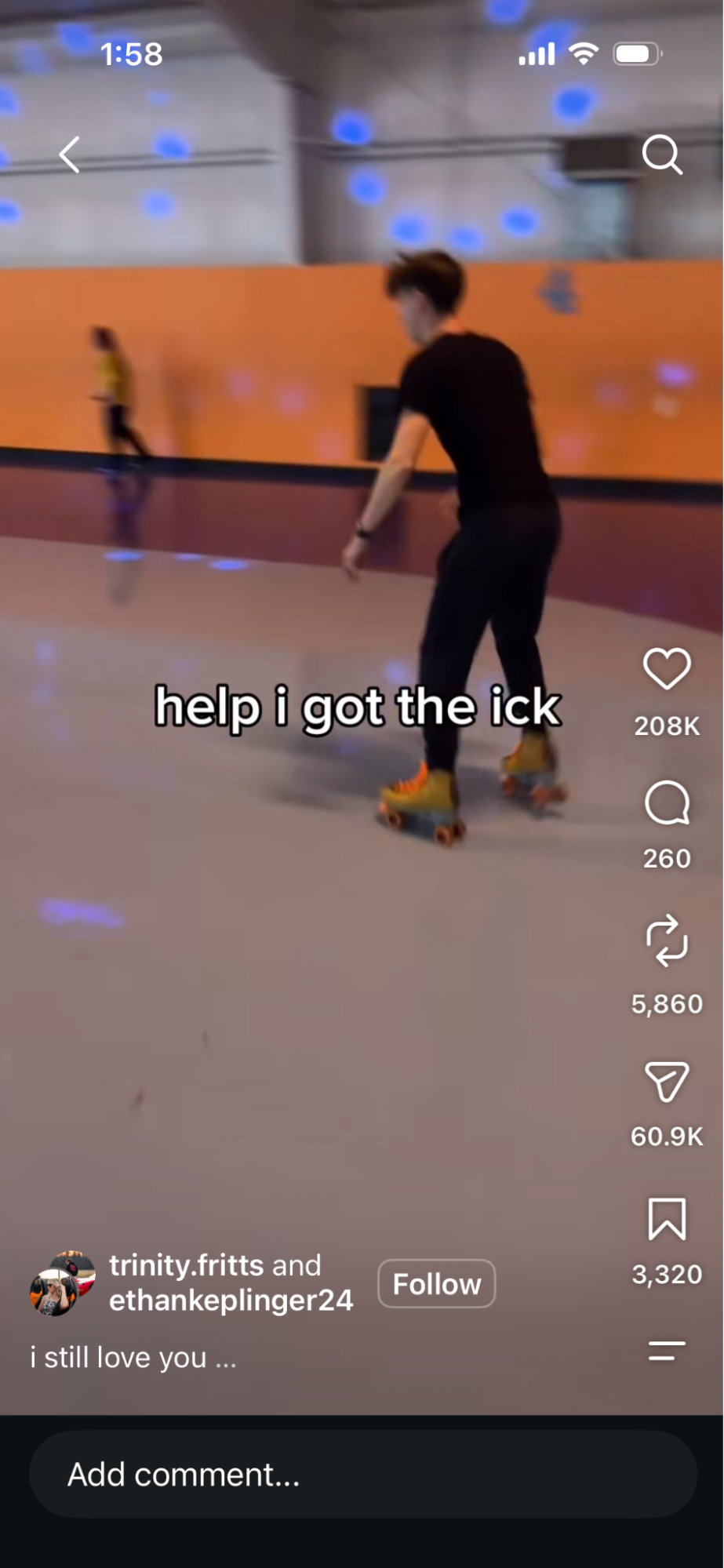
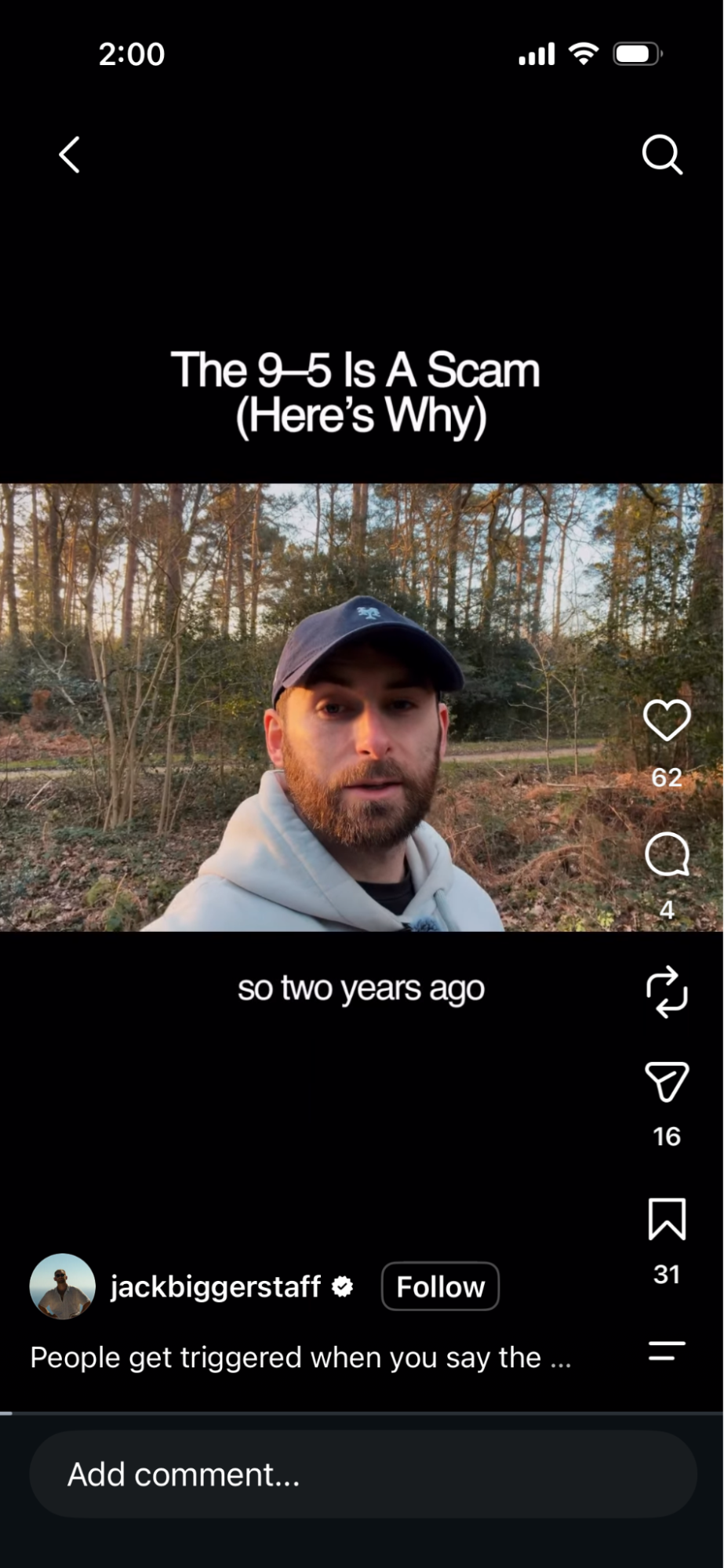
The rate at which radical information is shoved down the throats of every person online forces Gen Z into a collective passive political nihilist perspective. Ongoing overload of information pushes your brain to start rejecting it and results in decision fatigue, and the brain begins limiting capacity for new information to preserve the functionality of neural networks. The passive media user isn't primarily at fault for not wanting to participate in political acts- many kids' brains have simply rewired themselves to limit their capacity to absorb information; therefore, opinions can't be formed. It is both the information itself and the overload of information that shapes Gen Z's political participation. While our brains short-circuit from information fatigue, the latest online trend is to avoid "traditional" life. You can see it everywhere- the 9-to-5 chains you down and dims your spark; freelancing gigs are the new luxury job. The cogs in the online system are being told that participating in society makes them a cog in a system.
Individualism is smothered by the internet, and the only sense of belonging one strives toward is to justify oneself in certain online spaces, discourses, or subcultures. Lack of a sense of individuality changes one's outward perception of engagement and participation. Individuals collectively impact governing systems and political decisions; therefore, when individuality is stripped, there is no need for people to consider their involuntary participation in societal systems. In a non-quantitative survey I ran this year asking basic questions to students at Parsons, 84 out of 100 students reported that they felt zero connection to the government system they live within, and 90 out of 100 claimed they did not think their individual lives have any impact on decisions made by these governing systems. There was also a direct negative correlation between the perceived number of hours per day a student uses social media and their perceived connection to governing systems. While human perception and emotion cannot be quantified via data analysis, recorded trends can help show a general under-the-table vibe.
The structures that mediate information online are run algorithmically, with the users being the data these algorithms run on. This is the structure of cascades- a term used to describe the spread of (mis)information on social platforms. A cascade starts with one post published. Within one hour, millions of offshoot posts are produced. Data analyst Sinan Aral ran the first non-ad hoc comprehensive model on cascades of true versus false information on X, previously Twitter. He constructed numerous databases to track, categorize, and analyze cascades specifically regarding political rumors (political rumors were found to be most popular, followed by urban legends, business, terrorism, science, entertainment, and natural disasters). Through his research, the team found that misinformation, or false news, spreads up to 400 times faster than true news under the single subject of politics. Why? I was very interested in Aral’s own theory, which is novelty. In his publishing, he explains, “Novelty attracts human attention, contributes to productive decision-making, and encourages information sharing because novelty updates our understanding of the world. When information is novel, it is not only surprising, but also more valuable, both from an information theoretic perspective... and from a social perspective in that it conveys social status on one that is “in the know” or has access to unique “inside” information." The chokehold novelty has on modern society is a different topic. But specifically within this context, I find that Aral's description is really on the dot for how our brains choose what to engage with online, and it can also be used as an explanation for how fake information dominates online content.
The rise of the online era has produced a new language, one which Gen Z is the first to become fluent in. This language is based on the memification of complex ideology, culture, philosophy, and politics, as well as an ability to fluidly navigate technology, which our grandparents still view as an alien species. Internet visual language is as ambiguous as the memes that are made by teenagers; it encompasses the all-too-recognizable pixels used to form the first video games, hashtags, deep-fried photos of AI-produced cat demons. Gen Z language is being able to understand an objectively unreadable combination of letters as a full sentence: brb bc wdym ur fr rn? istg ts is cooked, like bffr rn idgaf ab it. The Gen Z language grows strikingly more and more visually similar to the unreadable code combination of 1s and 0s that builds the online world it was born in.
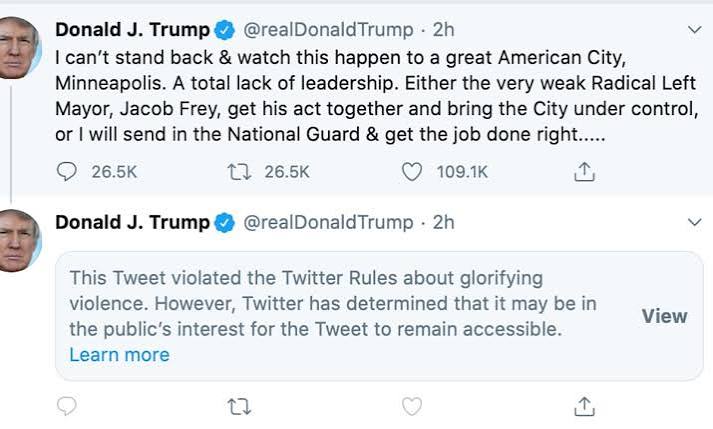
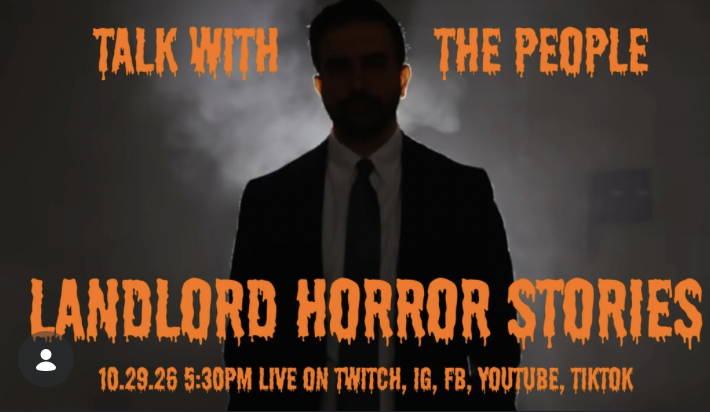
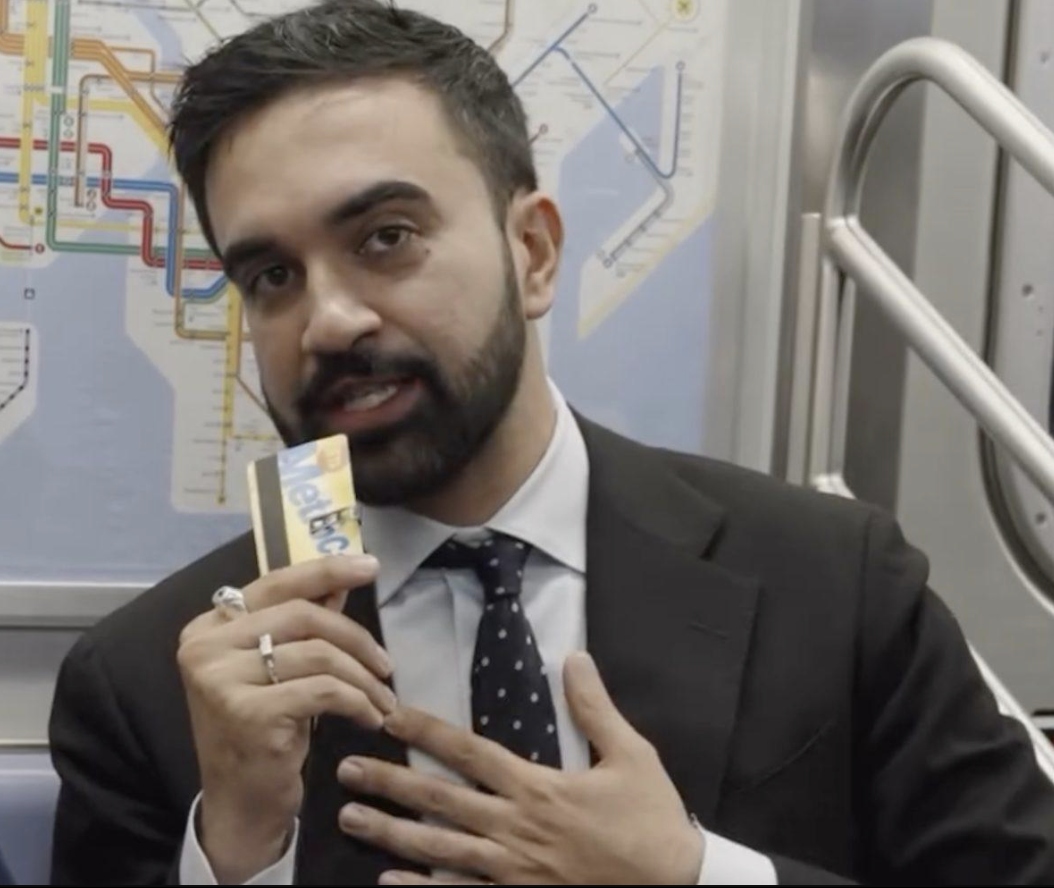
A moment for New York mayor Zohran Mamdani, the politician who memified politics, and in turn actually connected with our generation. What's the secret? Talk to us in our language. Mamdani has gained more online engagement with Gen Z than any other politician, and more impressively, has increased real-life political engagement dramatically by using memes and kindergarten vocabulary on ig reels to explain complex government policies to his audience. Surveys of TikTok and Instagram users show that during the 2025 election campaigns, Mamdani's Instagram engagement rate was 14 times that of his opponent. This produced 30 times more social media cascade conversations referencing Mamdani versus his opponent. He isn't the first political figure to succeed in finding this methodology- Trump was the first to talk to us in our language, and it worked really well, in terms of exposure and online engagement.
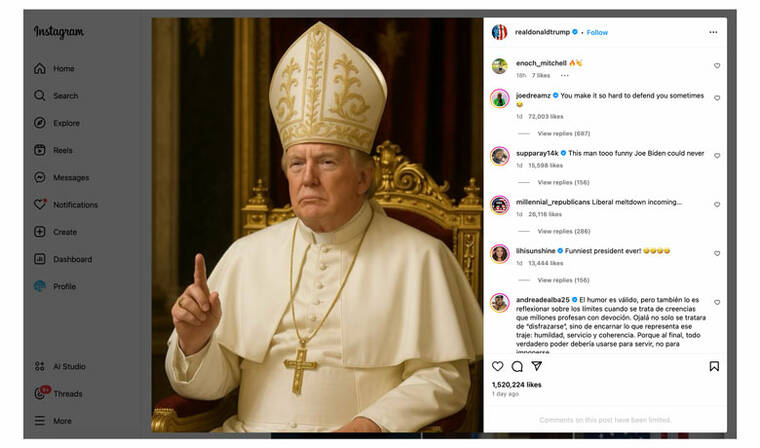
The most revealing contrast is between Mamdani's use of social media to make policy explanations accessible and Trump's use of memes, fictional imagery, and spectacle to communicate political identity and attack opponents. Both are examples of politics adopting internet-native visual language, but they demonstrate different communication strategies. One is the memification of politics; the other is the memification of politicians. Within the context of online politics, this is the formation of political cynicism: the perception that politicians make important decisions on their self-interest and strategic planning rather than their genuine interest of the voters, a major explanation for Gen Z's lack of participation in current politics.